The Wars That Begin Before the Fighting Starts
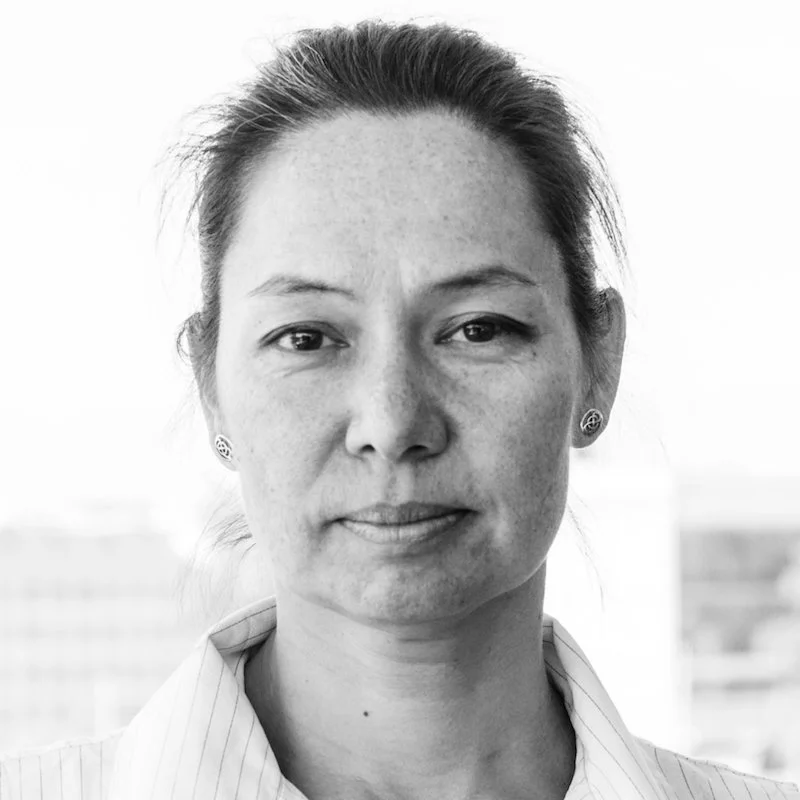
Brigadier Thammy Evans
When we think about conflict, we usually picture the moment when violence begins. We think about armies, borders, weapons and political confrontation.
But what if the real beginning of a conflict happened years earlier?
What if it began with a failed harvest, a shortage of water, the loss of a livelihood or a community being forced to leave the land it depends upon?
That is at the heart of my conversation with Brigadier Thammy Evans for this episode of Frontline Voices.
Thammy has worked across defence reform, conflict prevention, security governance and ecological security. Our discussion began with what seemed like a simple question: what is the greatest threat to human security?
Her answer was that there is no single threat.
The problems we face are connected.
Climate change affects water. Water affects agriculture. Agriculture affects livelihoods. When livelihoods disappear, people move. When large numbers of people move into places that are already under pressure, tensions can grow.
Governments may struggle to respond, and those tensions can eventually be exploited by criminal groups or violent extremists.
Looking further upstream
This is why Thammy talks about looking upstream.
Defence organisations are very good at responding when something has already gone badly wrong. Militaries can move people, deliver supplies, provide medical help, restore roads and communications and operate in difficult conditions.
But could some of that knowledge and capability also help prevent crises from becoming disasters?
That does not mean turning environmental problems into military problems.
Quite the opposite.
It means recognising that protecting people may sometimes involve protecting the natural systems upon which they depend.
One phrase from our conversation stayed with me: we should not securitise climate; we should climatise security.
In simple terms, climate change should not automatically be treated as an enemy to be controlled.
Instead, decisions about security should recognise that environmental change now affects almost everything — food, water, migration, energy, livelihoods and political stability.
Water, food and the choices we make
Water is perhaps the clearest example.
We tend to think of water as rivers, lakes and rainfall. But water is also contained in the food and goods traded around the world.
When a dry country exports water-intensive crops, it is effectively exporting some of its own water supply.
As Thammy explains, our choices in wealthier countries can therefore have consequences far beyond our borders.
Food security, water security and economic security are closely connected.
Is technology always the answer?
We also discuss whether technology alone can solve these problems.
Thammy is cautious about placing too much faith in expensive technical solutions when restoring natural systems can sometimes achieve several things at once.
Mangroves, for example, can help reduce flood damage while also providing habitats for fish and supporting local livelihoods.
Healthy livelihoods reduce pressure on communities.
And that, ultimately, can reduce the conditions in which conflict grows.
Who gets to make the decisions?
Towards the end of our conversation, we turn to another part of human security that is easily overlooked: who gets to make the decisions?
Women, men, young people, older people and communities experiencing the consequences of insecurity need to be part of the discussion.
As Thammy puts it: “Nothing about me without me.”
Inclusion is not simply about fairness. Better decisions are made when the people affected by those decisions are involved.
Security begins before conflict
Perhaps that is the simplest lesson from this conversation.
Climate, water, food, migration, gender and security cannot be placed into separate boxes.
They are parts of the same system.
And if we want to prevent conflict, perhaps the most important work begins long before anyone fires the first shot.